
Why Tattoo Placement Can Change the Pace of Removal
If you’ve ever wondered why one tattoo seems to fade quickly while another barely shifts, the answer may be simpler than you think: location matters. Does Tattoo Location Affect Laser Removal? Areas That May Need More Patience is a question many people ask when they begin planning their tattoo removal journey, especially if they want realistic expectations from the start.
At Ocean Ink, we understand that no two tattoos, or removal journeys, are the same. Factors such as blood flow, skin thickness, lymphatic drainage, and how close a tattoo sits to the heart can all influence how quickly pigment breaks down and clears. That’s why understanding Does Tattoo Location Affect Laser Removal? Areas That May Need More Patience is so important for anyone considering treatment.
In this post, we’ll explore which areas of the body may take longer to clear, why certain tattoo placements can respond more slowly, and what you can expect throughout the treatment process. We’ll also explain how the precision of the Pastelle Q-Switched Laser used at Ocean Ink supports effective tattoo removal while helping to minimise discomfort. To learn more about your treatment options and what to expect, visit our Sutherland Shire Laser Tattoo Removal page.
If you’re researching Sutherland Shire Laser Tattoo Removal, this guide will help you make sense of the process and set practical expectations before your first session. And if you’d like tailored advice about your tattoo, feel free to contact Ocean Ink, we’re here to help you move forward with confidence.
Tattoo Location and Laser Removal: Areas That May Need More Patience
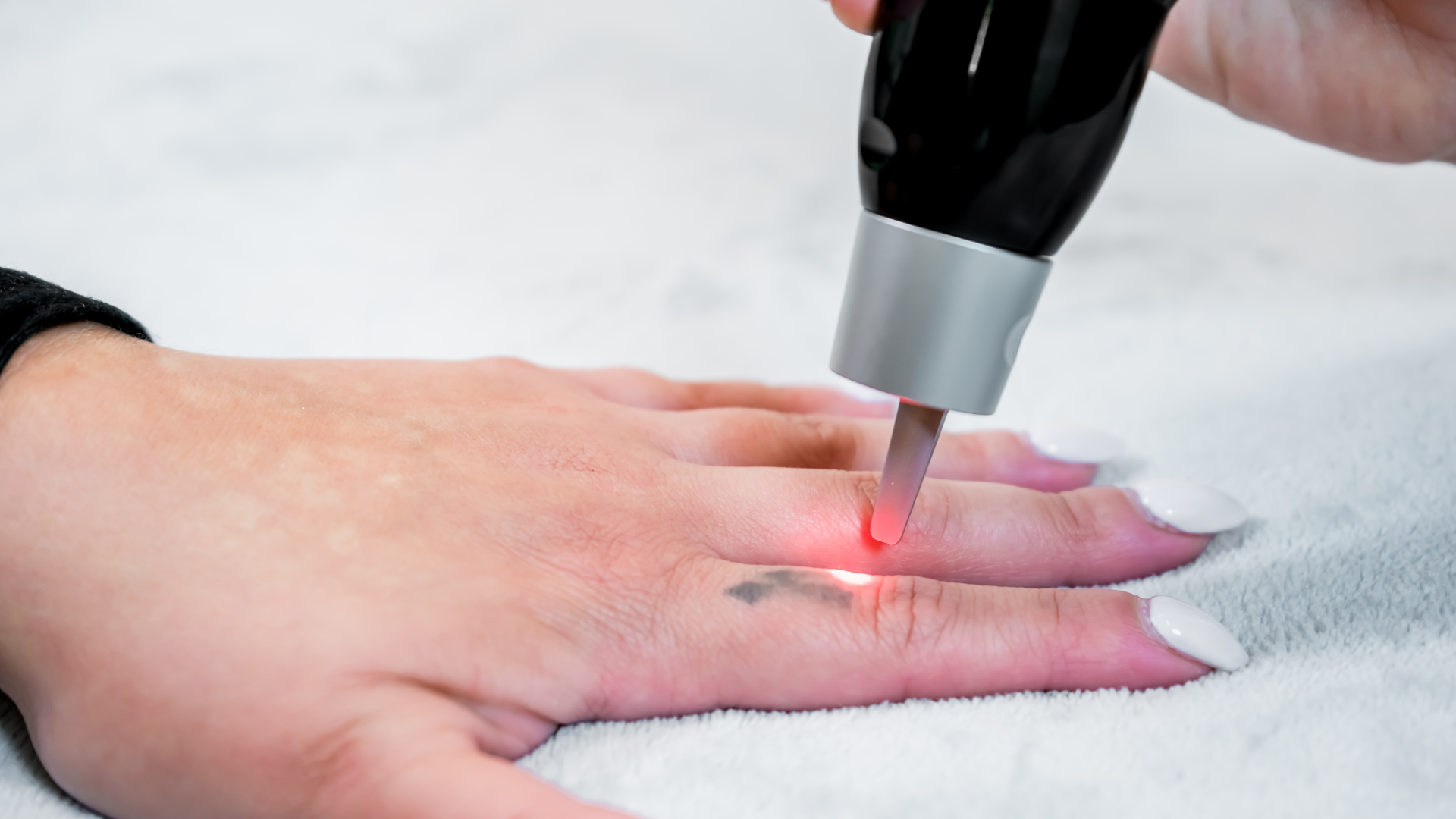
While other spots can take a little longer because the ink clears more slowly. It is a bit like washing paint from different fabrics: some materials release colour easily, while others hold on for longer.
The main factors are blood flow, skin thickness, and how far the tattoo is from the heart. Tattoos on the upper body, such as the chest or shoulders, often tend to respond more efficiently than those on the lower legs, ankles, feet, or hands. That does not mean lower-body tattoos cannot be removed successfully; it simply means you may need more patience and a few extra sessions. If you’re considering Laser Tattoo Removal in Sutherland Shire, understanding how tattoo location can affect the treatment process can help you set realistic expectations. The ink colour, depth, age of the tattoo, and your skin type also play a role, so location is only one piece of the puzzle.
This is an important distinction for anyone exploring Sutherland Shire tattoo removal is not a one-size-fits-all process. A small wrist tattoo may clear faster than a larger ankle piece, even if both use similar ink, because the body does not process them in quite the same way. That is why it helps to set realistic expectations from the start rather than assuming every tattoo will follow the same timeline.
At Ocean Ink, we use the Pastelle Q-Switched Laser for precise, effective removal with fewer sessions and reduced discomfort. We can assess your tattoo’s location and explain what that means for your treatment plan, so you know what to expect before you begin. Whether you are making room for a cover-up or simply ready to move on from an old design, we are here to guide you through the process with clear advice and professional care.
Terms to Know When Tattoo Location Can Slow Laser Removal
Blood Circulation
Blood circulation is the movement of blood through the body, delivering oxygen and carrying away waste. Areas with stronger circulation often respond more efficiently to laser tattoo removal because the body can clear broken-down ink particles more effectively. This is one reason tattoos on the chest or upper body may fade differently from those on the lower limbs.
Lymphatic System
The lymphatic system is part of your immune system and helps remove waste, including the ink particles broken down by laser treatment. Once the laser shatters the ink, your body relies on this system to gradually carry it away. When discussing Does Tattoo Location Affect Laser Removal? Areas That May Need More Patience, this is a big part of why some locations need extra time between sessions.
Ink Density
Ink density refers to how much pigment is packed into the tattoo and how heavily it was applied. Tattoos with dense, deeply layered ink usually need more sessions because there is simply more pigment for the laser to target. This matters especially for older, darker, or professionally packed tattoos in areas that are already slower to clear.
Skin Thickness
Skin thickness is the depth and structure of the skin in a particular area of the body. Thicker skin can sometimes make it harder for laser energy to reach the pigment evenly, while thinner skin may respond more quickly. It’s one of the reasons tattoo placement can influence the pace of removal.
Extremities
Extremities are the farthest parts of the body from the heart, such as the hands, feet, ankles and lower legs. These areas often have less circulation, so the body may take longer to clear the fragmented ink after treatment. If your tattoo is on an extremity, we may advise a little more patience with your removal timeline.
Session Spacing
Session spacing is the amount of time left between laser treatments. Proper spacing gives your skin time to heal and your body time to process the ink that has been broken down by the laser. In the context of Does Tattoo Location Affect Laser Removal? Areas That May Need More Patience, the right spacing can be just as important as the treatment itself.
Fading Response
Fading response describes how quickly and evenly a tattoo lightens after each laser session. Some locations show fast progress, while others need more treatments before you notice a big change. At Ocean Ink, we assess this response carefully so we can tailor your plan to the tattoo and the area it sits on.
FAQs About Tattoo Location and Laser Removal
-
Yes, tattoo location can make a noticeable difference to how quickly your tattoo fades. Areas with strong blood circulation, such as the chest, upper back, and face, often clear more efficiently because the body can process the broken-down ink more effectively. By contrast, tattoos on the hands, feet, ankles, and lower legs may take longer, so these are often the areas that need a little more patience.
-
Tattoos on the hands, fingers, feet, ankles, and lower legs are commonly slower to fade. These areas tend to have reduced circulation and can be more prone to swelling, which may affect how the body clears ink after each session.
If your tattoo sits in one of these locations, we’d usually recommend planning for a longer treatment timeline.
-
The body removes shattered ink particles through the lymphatic system, so circulation plays a big role in the process. Areas with better blood flow often respond more efficiently, while places with thinner skin, lower circulation, or more movement can be slower to clear. This is why two tattoos of the same size and ink density can still remove at different rates depending on where they are placed.
-
Possibly, yes. Wrists and ankles can be more stubborn because they are close to the extremities, where circulation is usually lower than in the torso or upper arms. That doesn’t mean removal won’t work well, but it may mean you’ll need more sessions and a bit more spacing between treatments to allow the skin to recover properly.
-
Absolutely. At Ocean Ink, we use the Pastelle Q-Switched Laser because it offers precise targeting and is designed to remove tattoos efficiently with fewer sessions where possible. While location still affects the pace of removal, this technology helps us treat ink effectively while keeping discomfort and side effects to a minimum.
-
A good rule of thumb is that tattoos on areas with less circulation or more frequent friction often take longer. For example, a small design on the ankle may fade more slowly than a larger tattoo on the upper arm, even if the ink colours are similar.
During your consultation, we can assess your tattoo and give you a realistic idea of what your treatment journey may look like.
-
Yes, aftercare makes a big difference. Keeping the area clean, following our advice carefully, avoiding picking or scratching, and protecting the skin from sun exposure can all support better healing between sessions. Healthy healing helps your body process the ink more efficiently, which is especially helpful if your tattoo is in one of the areas that may need more patience.
In short, tattoo placement does matter, but it doesn’t stop you from getting great results. If you’re unsure how your tattoo location may affect your treatment, we’re here to guide you with honest advice and a tailored plan that suits your skin, ink, and goals.
Why Tattoo Placement Can Shape Your Removal Journey
When it comes to Does Tattoo Location Affect Laser Removal? Areas That May Need More Patience, the short answer is yes, placement can make a real difference to how quickly a tattoo fades. Areas with stronger circulation, thinner skin, or less ink density often respond more readily, while tattoos on the hands, feet, ankles, or other lower-circulation areas may need extra time and a few more sessions. Understanding this from the outset helps you set realistic expectations and feel more confident about the process.
This is exactly why the topic matters within the wider conversation around Sutherland Shire:the more you know about how your tattoo’s location affects treatment, the better you can plan your removal journey. It also means you can make informed decisions about timing, aftercare, and whether a full removal or a future cover-up is the right path for you.
At Ocean Ink, we understand that every tattoo, and every removal journey, is personal. Using the Pastelle Q-Switched Laser, we aim to deliver precise treatment with fewer sessions and reduced discomfort, helping you move forward with greater ease and clarity. Whether you’re removing a small design or working towards a fresh start, we’re here to support you with honest advice and expert care.
If you’re still wondering how your tattoo’s placement may affect your results, get in touch with us today via our contact page. We’ll help you understand what to expect and guide you towards the best next step for your skin and your goals.