
Why Some Tattoo Colours Fade More Slowly
If you’ve ever wondered why one tattoo seems to disappear quickly while another clings on stubbornly, the answer often comes down to colour. Removing Coloured Tattoos: Why Some Ink Colours Take Longer to Fade is a topic that matters if you’re planning laser removal, because different pigments respond to laser energy in very different ways. Some shades break down readily, while others need a little more time, patience, and the right approach.
At Ocean Ink, we understand that tattoo removal is rarely just about erasing ink, it’s about helping you move forward with confidence. This introduction explores why certain colours are more challenging to fade, what affects the removal process, and how the right laser technology can make a real difference to your results.
This is why it helps to understand the wider picture before beginning laser tattoo removal. Whether you’re looking to fade a tattoo for a cover-up, remove a design completely, or simply explore your options, having the right information puts you in a much stronger position. It allows you to make a confident decision based on your goals, comfort and the results you want to achieve. For more information about the process and your treatment options, visit Ocean Ink’s Sutherland Shire Laser Tattoo Removal page.
Using our Pastelle Q-Switched Laser, we aim to deliver precise treatment with fewer sessions and minimal discomfort, offering a tailored approach that suits your tattoo and your skin. If you’d like advice on your own tattoo removal journey, contact us via our contact page and let’s talk through the best next step for you.
Removing Coloured Tattoos: Why Some Ink Colours Take Longer to Fade
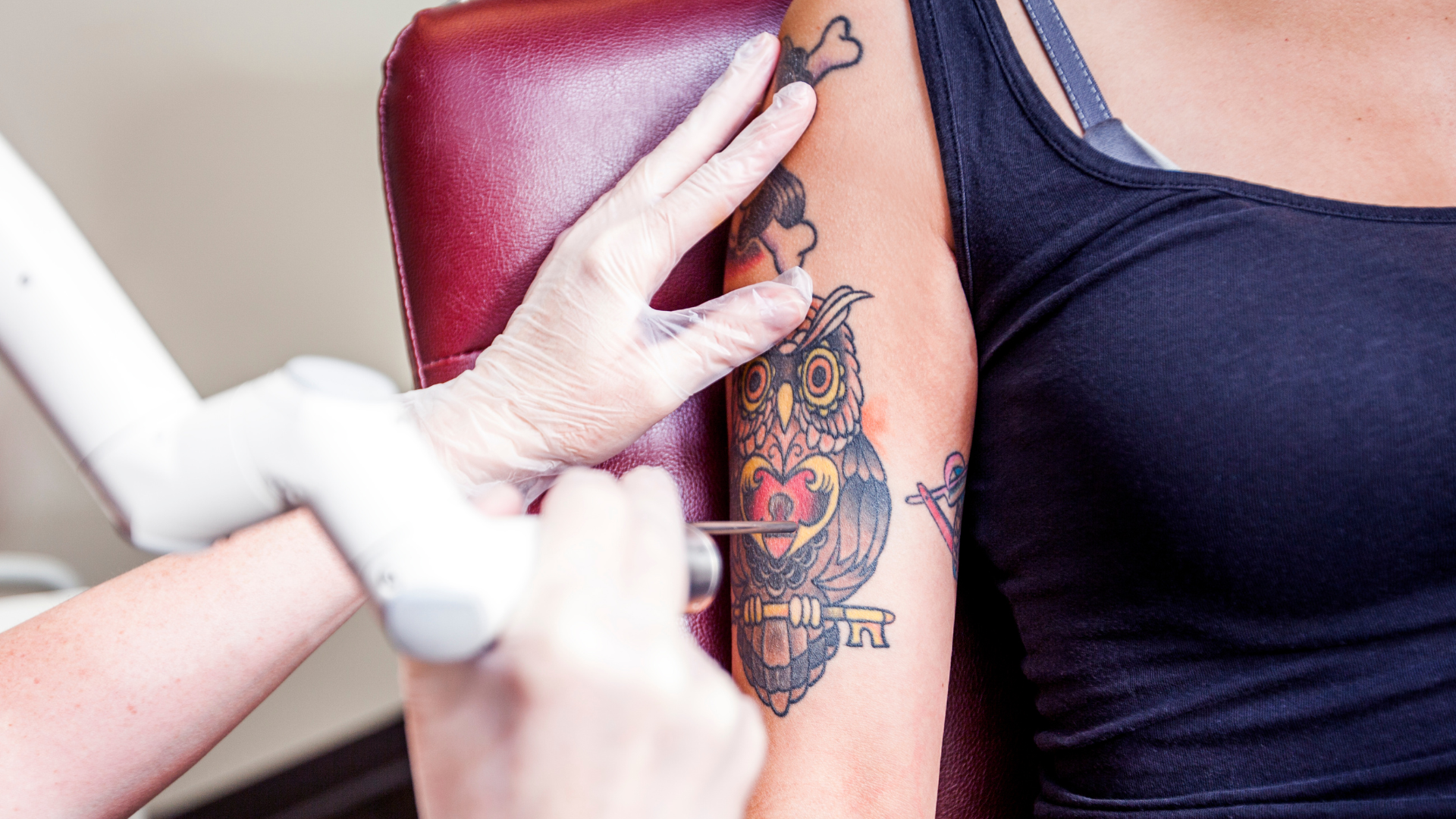
Removing Coloured Tattoos is the process of breaking down tattoo pigments with laser energy so your body can gradually clear them away. In simple terms, the laser targets the ink in your skin, shattering it into tiny particles that your immune system can remove over time. While black ink usually responds fastest, coloured tattoos can behave very differently because each pigment absorbs laser light in its own way. Think of it like trying to remove different stains from fabric: some lift quickly, while others need a more specific approach and a little more patience.
The reason some colours take longer to fade comes down to pigment chemistry, depth, and how the ink was originally applied. Darker shades tend to absorb more laser wavelengths, which is why they often fade more predictably. Lighter or brighter colours, such as greens, blues, yellows, and certain reds, can be more stubborn because they reflect more light or sit deeper in the skin. That doesn’t mean they can’t be treated effectively; it simply means the process may require more sessions and a carefully chosen laser setting. From Regret to Refresh, understanding how your tattoo’s colours respond can help you set realistic expectations and approach treatment with patience. This is where expert assessment matters, especially when you want safe, steady progress rather than rushed results.
At Ocean Ink, we use the Pastelle Q-Switched Laser, which is designed for precision, efficiency, and reduced discomfort. That matters for coloured tattoo removal because different pigments often need a tailored approach. Rather than treating every tattoo the same, we look at the colours involved, the age of the tattoo, and how your skin responds, so we can plan a removal journey that makes sense for you. It’s a bit like tuning an instrument, the best results come from the right adjustments, not a one-size-fits-all setting.
A common misconception is that coloured tattoos cannot be removed properly. In reality, many can fade significantly, but the timeline depends on the pigment mix and your individual skin. Ocean Ink brings years of experience in body art and tattoo aesthetics, so we understand both how tattoos are created and how they can be broken down responsibly. If you’re considering removal, we’re here to help you understand your options clearly and support you with honest advice, expert care, and a treatment plan built around your goals.
Terms to Know When Removing Coloured Tattoos
Laser Wavelength
A laser wavelength is the specific type of light energy used to target tattoo ink beneath the skin. Different wavelengths are absorbed by different ink colours, which is why some pigments respond more quickly than others. In Removing Coloured Tattoos: Why Some Ink Colours Take Longer to Fade, choosing the right wavelength is essential for treating each colour effectively.
Ink Absorption
Ink absorption refers to how well a tattoo pigment takes in laser energy. When a colour absorbs the laser well, it breaks down more efficiently; when it reflects or resists that energy, it can take longer to fade. This is one of the main reasons bright or unusual colours may need more sessions.
Q-Switched Laser
A Q-switched laser delivers very short, powerful bursts of energy designed to shatter tattoo ink into tiny particles. Those particles are then cleared away naturally by your body over time. At Ocean Ink, we use the Pastelle Q-Switched Laser for its precision and its ability to treat tattoos efficiently with reduced discomfort.
Pigment Density
Pigment density describes how much ink was packed into the tattoo when it was applied. Heavily saturated areas tend to be harder to break down because there is simply more pigment for the laser to target. If your tattoo is bold, layered, or very vivid, it may take longer to fade than a lighter design.
Immune Response
Your immune response is your body’s natural process for removing the shattered ink particles after laser treatment. The clearer and more active this process is, the more steadily your tattoo will fade between sessions. This is why results can vary from person to person, even when the same colour is treated.
Cover-Up Readiness
Cover-up readiness refers to how suitable a faded tattoo is for being transformed into a new design. Once enough pigment has been broken down, an artist can work with the remaining tattoo to create a stronger, cleaner cover-up. Understanding this helps if you’re considering both laser removal and a future tattoo refresh.
FAQs About Removing Coloured Tattoos
-
Different ink colours absorb laser light in different ways, which means some pigments break down more easily than others. Black ink is usually the simplest to treat, while brighter shades such as green, blue and yellow can be more stubborn because they reflect more light and sit differently in the skin. In practice, that can mean a red rose or a teal design may need more sessions than a black line tattoo of the same age and size.
-
In general, lighter and more vivid colours tend to be the most challenging, especially green, blue, yellow and turquoise. These pigments often require a more tailored approach and may fade more slowly than darker inks.
At Ocean Ink, we assess your tattoo carefully so we can give you a realistic idea of how your specific colours are likely to respond.
-
Yes, older tattoos often fade more quickly because the ink has already naturally broken down over time. That said, age is only one part of the picture, and the type of pigment, tattoo depth and your skin type all matter too.
A newer coloured tattoo may take longer to fade, while an older one with certain stubborn pigments may still need several sessions.
-
Many coloured tattoos can be significantly faded, but complete removal depends on factors such as the ink colours used, how deeply the tattoo was applied, and how your skin responds to treatment. Some designs are ideal for full removal, while others are better suited to fading for a cover-up. If your goal is to replace an old design, fading it first can make a huge difference to the final result.
-
Not necessarily, but treatment experience can vary from person to person and from one colour to another. At Ocean Ink, we use the Pastelle Q-Switched Laser, which is known for precision and reduced side effects, including less discomfort. That means we can treat coloured tattoos as efficiently as possible while keeping your comfort in mind.
-
There’s no one-size-fits-all answer, because the number of sessions depends on the colours, the tattoo’s age, its size and how saturated the ink is. Darker and older tattoos may fade faster, while bright, dense colourwork often needs more visits. During your consultation, we can look at your tattoo and give you a more accurate idea of the likely treatment plan.
-
Absolutely. If you want a cover-up, fading the existing tattoo first can give your artist more freedom with the new design and help reduce the visibility of the old ink. This is especially useful for bold coloured tattoos that would otherwise show through lighter or more detailed artwork. Our team can help you understand whether partial removal or a full fade is the better option for your goals.
We hope these FAQs have made Removing Coloured Tattoos: Why Some Ink Colours Take Longer to Fade feel a little clearer. If you’d like personalised advice, Ocean Ink is here to help you choose the best path for your tattoo and your skin.
Bringing It All Together on Coloured Tattoo Removal
Understanding Removing Coloured Tattoos: Why Some Ink Colours Take Longer to Fade helps you set realistic expectations before starting treatment. Inks such as green, blue and yellow can behave very differently under laser light, which is why some designs need more sessions than others. The age of the tattoo, the depth of the pigment and your skin type all play a part in how quickly fading happens, so a tailored approach is always best.
This is where the right advice makes all the difference. By knowing what affects colour removal, you can choose a treatment plan that suits your tattoo and your goals, rather than relying on guesswork. At Ocean Ink, we understand how to assess coloured ink carefully and guide you towards the most effective next step, whether you want full removal or are planning a future cover-up.
Understanding these factors can help you make a more informed decision about your tattoo removal journey and what to expect from treatment. At Ocean Ink, we use the Pastelle Q-Switched Laser to provide precise and efficient treatment, with a focus on minimising discomfort and supporting your skin throughout the process. To learn more about the treatment and your options, visit our Sutherland Shire Laser Tattoo Removal page.
If you’re ready to learn more about Removing Coloured Tattoos: Why Some Ink Colours Take Longer to Fade, or you’d like personalised advice for your tattoo, get in touch with us today via our contact page. We’re here to help you make informed decisions and find the right path for your skin and your design goals.