
Why Skin Care Matters Before, During and After Tattoo Removal
If you’re thinking about removing a tattoo, the biggest question is often not just how quickly it can be faded, but how well your skin will recover along the way. That’s where Minimal-Scarring Tattoo Removal: How to Look After Your Skin During Treatment becomes so important: the right aftercare can make a real difference to how your skin responds, heals and looks once each session is complete.
For people seeking laser tattoo removal, understanding how to protect the treated area is just as valuable as choosing the right laser. At Ocean Ink, we know that great results come from a combination of precision treatment and sensible skin care. Using the Pastelle Q-Switched Laser, our approach is designed to support effective tattoo fading while helping to reduce discomfort and support a smoother healing process.
In this guide, we’ll walk you through the essentials of Minimal-Scarring Tattoo Removal: How to Look After Your Skin During Treatment, from what to do immediately after a session, to how to keep your skin calm between appointments, and which habits can help minimise irritation.We’ll also cover why protecting your skin after treatment matters, including avoiding sun exposure, picking at scabs and using suitable aftercare products. For more information about the treatment process and how to care for your skin afterwards, visit Ocean Ink’s Sutherland Shire Laser Tattoo Removal page.
This topic matters because your skin is doing the hard work during every stage of removal. If you’re looking for trusted advice as part of Sutherland Shire Laser Tattoo Removal, this post will help you feel more informed and confident about the process. If you’d like personalised guidance, contact Ocean Ink and we’ll be happy to help you take the next step with care and confidence.
Minimal-Scarring Tattoo Removal: How to Look After Your Skin During Treatment
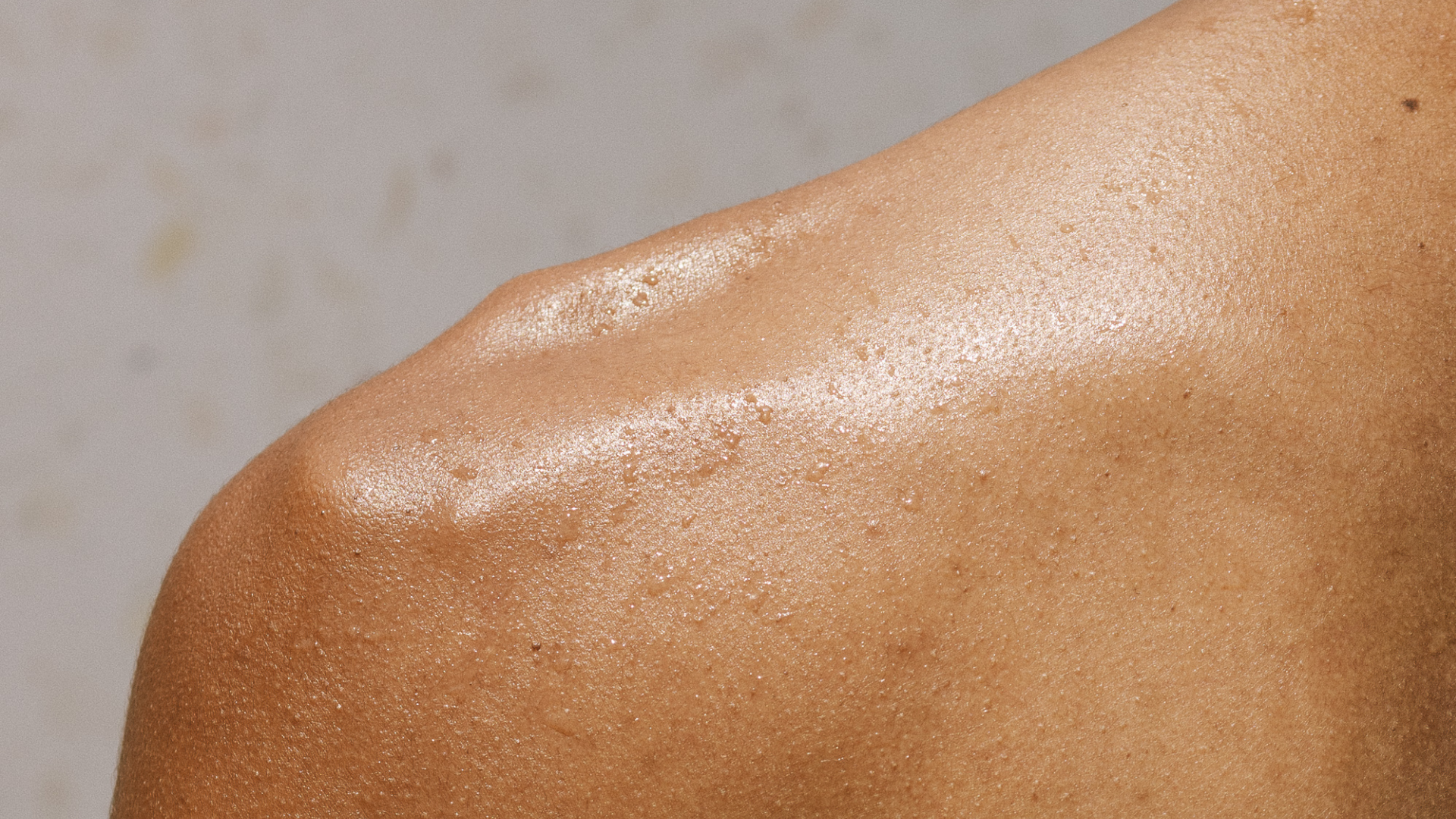
Minimal-Scarring Tattoo Removal is the process of removing unwanted ink while taking deliberate steps to protect the skin’s surface, support healing, and reduce the chance of lasting marks. In simple terms, it’s not just about fading the tattoo, it’s about doing it in a way that gives your skin the best possible chance to recover smoothly. Think of it like carefully lifting old paint from a wall without damaging the plaster underneath: the technique matters, but so does the aftercare.
At Ocean Ink, we approach this with the same care and precision we bring to tattooing itself. Using the Pastelle Q-Switched Laser, we can target pigment accurately while helping to minimise unnecessary stress on the surrounding skin. For Tattoo Fading for a Cover-Up, this careful approach can help prepare the existing design for a new tattoo while supporting healthy skin throughout the process. The treatment itself is only one part of the picture. Looking after your skin during treatment usually means keeping the area clean, avoiding picking or scratching, protecting it from the sun, and following the aftercare advice you’re given. These steps help calm inflammation and support the skin as it repairs between sessions.
For you, that means a more informed and comfortable removal journey. Whether you’re preparing for a cover-up, clearing a tattoo you’ve outgrown, or simply making space for something new, minimal-scarring tattoo removal is about achieving results without rushing the process. At Ocean Ink, we’re here to guide you through each stage with honest advice, careful treatment, and a focus on helping your skin look and feel its best לאורך the way.
Terms to Know for Minimal-Scarring Tattoo Removal
Q-switched laser
A Q-switched laser delivers very short, high-energy pulses of light that break tattoo ink into tiny particles so your body can clear them away over time. It’s a widely used approach for tattoo removal because it targets pigment while limiting damage to the surrounding skin.
Pigment fragmentation
Pigment fragmentation is the process of shattering tattoo ink into smaller pieces during laser treatment. Once the ink is broken down, your immune system can gradually remove it, which is why multiple sessions are usually needed.
Aftercare
Aftercare refers to the steps you take at home after each removal session to support healing, such as keeping the area clean, moisturised and protected from the sun. Good aftercare is one of the most important parts of reducing irritation and helping your skin recover smoothly.
Inflammation
Inflammation is your skin’s natural response to treatment, often showing up as redness, warmth or mild swelling. A small amount is normal, but managing it properly is important if you want to support healing and lower the chance of scarring.
Blistering
Blistering can happen when the treated area reacts to the laser and forms small fluid-filled bubbles. It is usually a sign that your skin needs careful protection, and we’ll always guide you on how to look after it safely without picking or popping.
Hyperpigmentation
Hyperpigmentation is when the skin becomes darker in the treated area after irritation or healing. It can happen more easily if the skin is exposed to the sun, which is why sun protection is essential throughout Minimal-Scarring Tattoo Removal: How to Look After Your Skin During Treatment.
Immune response
Your immune response is the process your body uses to clear away the tiny ink particles created by the laser. A healthy immune response helps the tattoo fade gradually between sessions, so rest, hydration and sensible aftercare all play a part in the final outcome.
FAQs About Minimal-Scarring Tattoo Removal and Skin Care
-
After treatment, keep the area clean, dry and protected as advised by your technician. In most cases, you should avoid touching the treated skin, and if a dressing has been applied, leave it in place for the recommended time.
A simple example: if the area feels warm or looks slightly red, that’s usually part of the normal response, so gentle aftercare matters more than over-treating it.
-
To help reduce irritation and support smoother healing, avoid picking at scabs, scratching, tight clothing over the area and direct sun exposure. You should also steer clear of swimming pools, saunas and heavy exercise for the first few days if the skin feels tender.
These precautions help lower the risk of unnecessary trauma, which is important when your goal is minimal scarring.
-
Scarring is not inevitable, especially when the treatment is carried out properly and you follow the aftercare instructions closely. The Pastelle Q-Switched Laser we use at Ocean Ink is known for its precision and reduced side effects, which supports a gentler treatment experience. That said, how your skin responds can depend on factors such as tattoo depth, placement, previous trauma and how well you protect the area between sessions.
-
The best way to reduce pigmentation changes is to protect the treated skin from the sun and avoid irritating products until it has fully settled. Use a broad-spectrum SPF once the skin has healed enough to do so, and keep the area moisturised with a product we recommend.
If you’ve ever noticed dark marks after a graze or insect bite, the same principle applies here: calm, protected skin tends to recover more evenly.
-
Most people need several weeks between sessions so the skin has time to recover and the body can gradually clear the ink. Rushing treatments can increase the chance of irritation, which is the opposite of what you want when aiming for minimal scarring.
We’ll guide you on timing based on how your skin is healing and how your tattoo is responding to the laser.
-
Mild redness, swelling, a warm sensation and light crusting can all be normal in the first few days after a session. These symptoms should settle gradually rather than worsen, and the area should not become increasingly painful or ooze heavily.
If something doesn’t look right, it’s always best to contact us so we can check whether your skin needs extra care.
Looking after your skin properly is one of the most important parts of Minimal-Scarring Tattoo Removal: How to Look After Your Skin During Treatment. With the right aftercare and a careful treatment plan, you can support healthy healing and get closer to clear skin with confidence.
Looking After Your Skin for the Best Possible Result
When it comes to Minimal-Scarring Tattoo Removal: How to Look After Your Skin During Treatment, the best outcomes come from combining the right aftercare with a careful, patient approach. Keeping the area clean, protected from the sun, and well-supported as it heals can make a real difference to how your skin responds throughout the process. Small daily habits matter, especially when you want to reduce the chance of irritation and encourage smoother recovery.
This is exactly why understanding Minimal-Scarring Tattoo Removal: How to Look After Your Skin During Treatment is so important. It gives you the confidence to manage your skin properly between sessions and helps you avoid common setbacks that can slow progress. If you’re aiming for a cleaner result with as little disruption to your skin as possible, the advice in this guide is designed to help you make informed choices at every stage.
At Ocean Ink, we know tattoo removal is about more than clearing old ink, it’s about supporting your skin with care and expertise. This approach can help you move forward with greater confidence, knowing your treatment is planned with precision and careful attention to detail. To learn more about the treatment process and your options, visit Ocean Ink’s Sutherland Shire Laser Tattoo Removal page.
If you’re ready to take the next step or want personalised guidance, please contact us. We’re here to help you look after your skin properly and achieve the best possible result from your tattoo removal journey.